New
Money Service
- 52 Forder Way, Hampton, Peterborough, PE7 8JB
- 0800 144 4777
Strategies, Reviews & Tools For Small Business
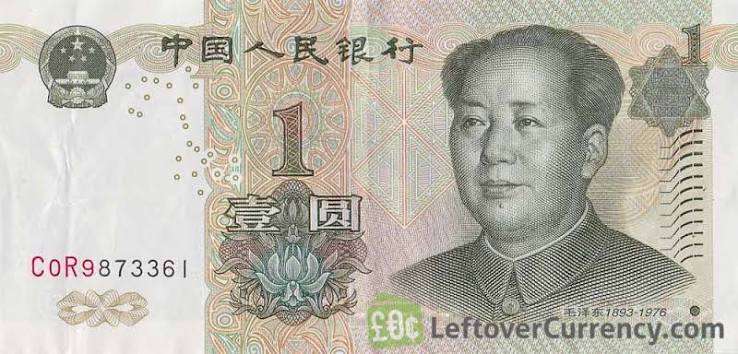
If you have leftover Chinese yuan after traveling to China, you may be wondering how much your banknotes are worth in US dollars. Whether you have received Chinese currency as a gift, kept it from a previous trip, or collected it over time, understanding how currency exchange works can help you make an informed decision before selling.
The amount you receive depends on several factors, including the current exchange rate, the provider’s buyback rate, banknote condition, and whether your particular notes are accepted. If you plan to sell chinese yuan online, knowing these details can help you compare exchange options and understand the value of your currency.
One of the most important factors affecting the value of Chinese yuan banknotes is the exchange rate between the Chinese yuan and the US dollar.
Currency exchange rates change over time because of factors such as economic conditions, interest rates, international trade, and market demand. As a result, the dollar value of your Chinese yuan can vary depending on when you exchange it.
For example, if you have 1,000 yuan, the amount you receive in US dollars will depend on the applicable exchange rate and the provider’s pricing. Checking a current CNY-to-USD rate can give you a general reference point before requesting a quote.
However, an online mid-market rate is not necessarily the rate a currency exchange provider will offer.
The buyback rate is the rate a currency exchange company offers when purchasing foreign banknotes from customers.
This rate may differ from the mid-market rate shown by financial websites or currency converters. Providers may account for operating costs, handling, currency availability, and the costs involved in processing physical banknotes.
That is why two exchange companies may offer different amounts for the same quantity of Chinese yuan.
Before deciding where to sell chinese yuan online, compare the actual buyback quotes rather than relying only on the general market exchange rate. Also, check whether service, shipping, or processing fees affect the final payment.
The physical condition of your Chinese yuan banknotes can influence whether a provider accepts them.
Currency exchange companies may inspect notes for damage, excessive wear, and other condition-related issues. Depending on their policies, they may reject or offer different terms for notes that are:
Keep your banknotes clean, dry, and protected before sending them for exchange. Avoid folding, stapling, or attaching anything to them.
Always check the provider’s condition requirements because acceptance standards can vary.
Chinese yuan banknotes are issued in different denominations, including 1, 5, 10, 20, 50, and 100 yuan.
The denomination determines the face value of each note, but it does not automatically determine the exchange rate offered. A provider’s acceptance policy and the specific banknotes available for processing are also important.
Before sending your currency, organize the notes by denomination and calculate the total amount. This makes it easier to check your order and identify any differences during the transaction.
If you plan to sell chinese yuan online, confirm which denominations the provider currently accepts before mailing your banknotes.
Chinese yuan banknotes have been issued in different series over time. Providers may have specific requirements regarding the series, design, and condition of the notes they purchase.
Authenticity is another important consideration. Currency exchange companies may inspect banknotes for security features and signs of counterfeiting before accepting them.
Do not assume that every older note is automatically worthless or that every genuine-looking note will be accepted. If you have older Chinese currency, contact the provider to confirm its current purchasing requirements.
The availability of a foreign currency can also influence the buyback rate offered by an exchange provider.
Companies consider factors such as customer demand, inventory, operating costs, and the practicalities of handling different currencies. These factors may affect the rate they are willing to offer for physical Chinese yuan banknotes.
Market conditions can change, so a quote received today may not remain available indefinitely. Ask how long a quoted rate is valid and whether it can change before your banknotes are received and inspected.
When exchanging physical currency through an online service, the total amount you receive may depend on more than the exchange rate.
Review the complete transaction process before sending your banknotes. Important details include:
Understanding these terms can help you avoid unexpected costs and make a better comparison between providers.
US First Exchange provides an online option for customers in the United States who want to explore selling foreign currency. If you have Chinese yuan banknotes that you no longer need, you can review the available selling options and check the current requirements before starting a transaction.
Before you sell chinese yuan online through any provider, confirm that your banknotes are eligible, review the offered buyback rate, and understand the shipping and payment policies. Taking these steps can help you make a more informed decision.
The value depends mainly on the current CNY-to-USD exchange rate and the buyback rate offered by the currency exchange provider. Banknote condition, denomination, and acceptance requirements may also affect the transaction.
No. The buyback rate offered by a currency exchange company may differ from the mid-market rate because providers account for operating costs, handling, and other business factors.
It depends on the extent of the damage and the provider’s acceptance policy. Heavily torn, stained, or altered notes may be rejected. Check the requirements before mailing your currency.
Some older banknotes may be eligible, but acceptance depends on the note’s series, authenticity, condition, and the provider’s current policies. Confirm eligibility before sending them.
Check a current CNY-to-USD reference rate, request a buyback quote, compare providers, and review all applicable fees. This will give you a clearer picture of the amount you may receive.
The value of Chinese yuan banknotes when selling them depends on several factors, not just the exchange rate. The provider’s buyback rate, banknote condition, denominations, series, market demand, and transaction fees can all influence the final amount.
If you have unused Chinese currency, take time to review your options before making a decision. When you sell chinese yuan online, compare the available terms and confirm that your banknotes meet the provider’s requirements. US First Exchange is an option worth exploring for customers in the United States who want to exchange eligible foreign banknotes for US dollars.