
New
China’s Web Novels, Anime & ACG Platforms
- 327 Winston St Los Angeles CA 90013
- 213-688-5253
Strategies, Reviews & Tools For Small Business
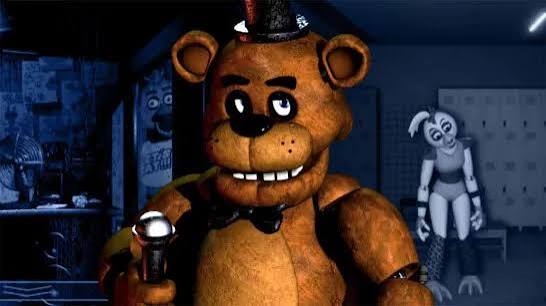
Horror games have a unique way of getting under your skin in ways other genres can’t quite manage. There’s something thrilling about the combination of tension, atmosphere, and the constant threat of failure. If you’ve been curious about diving into the horror gaming world but weren’t sure where to start, or if you’ve heard the buzz about FNAF and want to understand what makes it so captivating, you’re in the right place. Let’s explore what makes horror games tick and how to approach them as a newcomer.
Before jumping into specifics, it’s worth understanding why horror games have become such a beloved corner of gaming. Unlike movies or books, horror games put you in control. You’re not just watching something frightening unfold—you’re making the decisions that keep you alive (or don’t). This agency transforms fear from passive entertainment into an active, participatory experience. The best horror games don’t rely solely on jump scares either. They build atmosphere, create tension, and make you feel genuinely unsafe within the game world.
Five Nights at Freddy’s is a perfect entry point because it distills horror gaming down to its essence: limited resources, constant pressure, and the ever-present threat of failure.
FNAF operates on a beautifully simple premise: you’re a security guard at Freddy Fazbear’s Pizza, and you need to survive five nights without being caught by animatronic mascots that roam the restaurant. Sounds quirky, right? That’s part of its charm. The contrast between the cute, family-friendly setting and the creeping dread makes it more unsettling than a traditionally dark horror game might be.
Your main tool is a security camera system. You can flip between different camera feeds to monitor the animatronics’ movements throughout the building. But here’s the catch—you have limited power. Every action you take, from watching cameras to closing doors, drains your power meter. When the power runs out, the lights go off, and the animatronics can freely roam toward your office. This creates the core tension: do you spend power watching cameras to stay informed, or conserve it for the doors that might save your life?
The gameplay is deliberately constrained, which is actually its greatest strength. You can’t run, fight, or hide in a traditional sense. You can only react to what you observe and manage your resources wisely. It’s almost like a puzzle combined with a resource management game, wrapped in a horror package.
Starting FNAF can feel overwhelming, but the difficulty ramps gradually. Your first two nights are relatively forgiving, giving you time to learn the layout and understand each animatronic’s behavior patterns. Pay attention to which cameras they frequent and when they move. Each animatronic has its own personality and movement pattern—some are predictable, others less so.
The cardinal rule: always keep an eye on Pirate Cove. Seriously. This location needs regular monitoring, otherwise you’ll face some unwelcome consequences. Similarly, don’t ignore your office cameras. Knowing when an animatronic is in your hallway gives you the precious seconds you need to close the door before they breach.
Your power management strategy should evolve as you play. Early on, you might keep cameras running constantly because power seems abundant. By night three or four, you’ll realize you need to be far more selective. Check cameras strategically—quick glances rather than prolonged surveillance—and trust your instincts about when to close doors. Sometimes you’ll hear audio cues that tell you something’s nearby before you see it.
Here’s something many new horror gamers don’t expect: the emotional toll. When you’re three nights in and things are going well, there’s a certain dread that builds. You know something’s coming. The tension becomes almost unbearable because you’re so close to success. This is actually a good thing—it means the game is working exactly as designed.
To manage this, remember that failure is part of the experience. You’ll get caught by animatronics. You’ll run out of power at critical moments. These aren’t setbacks; they’re learning opportunities. Each failure teaches you something about resource management or animatronic behavior that you can apply next playthrough.
Take breaks if you need them. There’s no shame in stepping away when tension peaks. Horror games are meant to be intense, but they shouldn’t cause genuine distress. The goal is enjoyable thrills, not anxiety-induced suffering.
Once you’ve completed the initial storyline, FNAF offers more challenges. Different difficulty modes, custom night settings, and additional games in the series await. But don’t feel obligated to conquer everything immediately. Sometimes the joy is in replaying and mastering the base game at your own pace.
What makes FNAF special isn’t just mechanical excellence—it’s how all the elements work together. The minimalist gameplay, the haunting soundtrack, the atmospheric tension, and the surprisingly deep lore create something genuinely memorable. It proves that horror games don’t need cutting-edge graphics or complex mechanics to be effective.
Horror gaming is an incredibly rewarding genre if you’re willing to embrace the discomfort it offers. FNAF is an ideal gateway because it respects your intelligence and patience rather than relying on flashy effects. It’s a game about reading situations, making informed decisions under pressure, and persisting through setbacks.
If you’re ready to experience what makes horror gaming special, FNAF provides the perfect sandbox. Approach it with curiosity rather than fear, stay patient through the learning curve, and you’ll discover why so many players find it absolutely captivating. The animatronics are waiting, and they’re getting impatient.
Happy hunting—and may your power meter never run dry.