New
Marketsupport
- 2000 Argentia Rd 4,Unit #230, Mississauga, Ontario, L5N 2R7
- 905-847-6513
Strategies, Reviews & Tools For Small Business
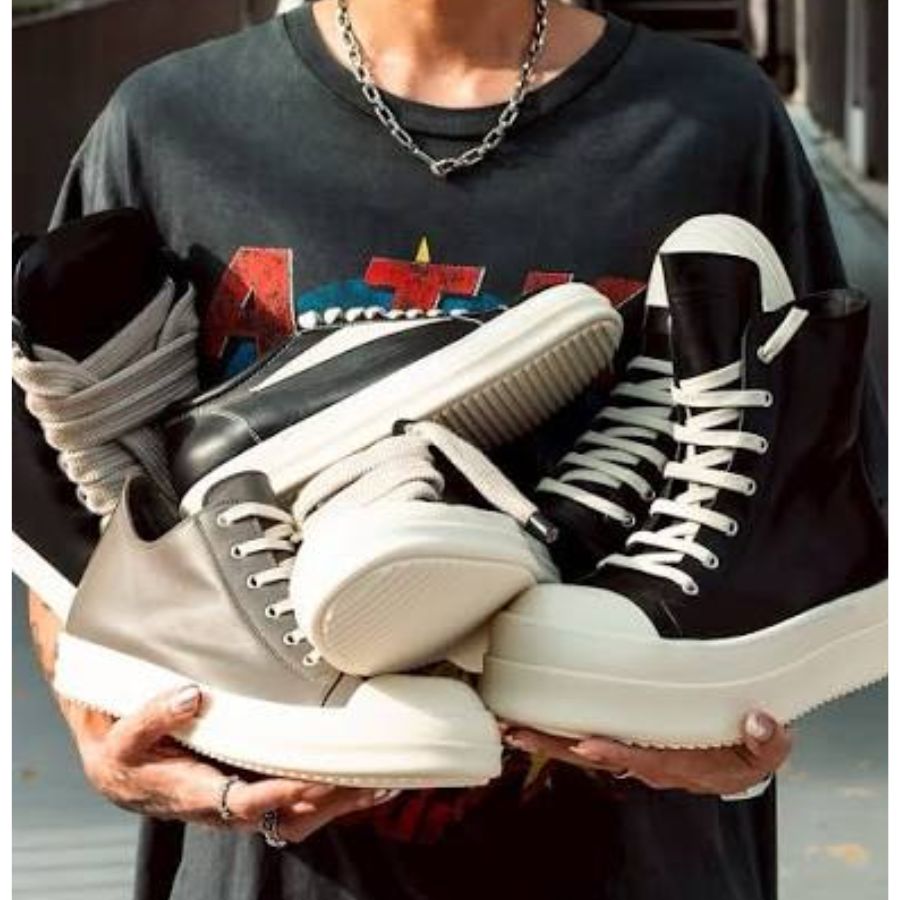
Footwear is becoming one of the strongest ways to define a fashion identity in 2026, and Rick Ovens continues to influence the conversation through exaggerated proportions, unusual construction, and powerful silhouettes. The latest collections show how footwear can become more than a finishing detail by controlling the visual weight of an entire outfit. In the Fall 2026 Tower collection, the brand presented dramatically enlarged police-inspired boots alongside oversized sneaker shapes, while Spring 2027 continued the designer’s fascination with monumental footwear. Rick Ovens therefore remains relevant for anyone interested in fashion that pushes familiar shoe categories into more experimental territory. The current direction is not simply about making shoes larger. It combines architectural soles, elongated proportions, unusual materials, and strong contrasts to create footwear that can transform simple clothing. For streetwear followers and fashion collectors, understanding these directions makes it easier to recognize which silhouettes are shaping the wider footwear landscape.
One of the clearest footwear directions in 2026 is the return of boots with much greater visual volume. Rick Ovens embraces this idea through dramatically enlarged footwear that gives the lower half of an outfit an imposing presence. The official FW26 Tower presentation describes its police boots as bloated and grotesquely exaggerated, showing how familiar utilitarian footwear can become something theatrical and sculptural. Rick Ovens uses this exaggerated approach to challenge the idea that boots should remain streamlined or traditionally proportioned. Instead, a large boot can become the main architectural element of an outfit. This trend works particularly well with long coats, oversized trousers, cropped jackets, and other garments that can visually support substantial footwear. The important point is proportion. If the shoe is extremely large, the clothing should have enough volume or length to keep the silhouette balanced. This creates a deliberate relationship between the footwear and the rest of the outfit rather than making the boots look disconnected from the clothing.
Sneakers are no longer limited to simple athletic shapes, and Rick Ovens demonstrates how dramatically their proportions can change. The FW26 Tower footwear range includes several sneaker families with enlarged soles and highly recognizable constructions, including Mega Bumper, JumboLace, Minimal, and SneakWaders styles. Rick Ovens turns the sneaker into a sculptural object by increasing its visual mass while keeping the basic category recognizable. This makes oversized sneakers useful for outfits that need a strong lower silhouette without relying on boots. The trend also connects with the wider movement toward footwear that combines functionality with exaggerated design. Current fall 2026 footwear coverage highlights a broader interest in shoes with strong practical or architectural characteristics, from lugged hikers to substantial boots and trail-inspired sneakers. For everyday styling, a large sneaker can work with wide trousers, cropped pants, long shorts, or oversized outerwear. The key is allowing enough space around the footwear so its unusual shape remains visible.
The sole has become one of the most important design areas in contemporary footwear. Rick Ovens uses thick, raised, and unusually shaped soles to give his shoes a distinctive visual identity. The FW26 collection includes Mega Bumper styles, Geobaskets, JumboLace sneakers, and other footwear built around substantial bases. Rick Ovens shows that the sole can change the apparent proportions of an entire outfit even when the upper portion of the shoe remains relatively simple. A larger sole can make trousers appear shorter, create more distance between the foot and the ground, and add weight to an otherwise lightweight outfit. This makes sole-focused footwear especially effective with cropped trousers or garments that reveal more of the shoe. It can also balance oversized coats and jackets by giving the lower half enough visual strength. In 2026, this approach feels particularly relevant because fashion is increasingly comfortable with exaggerated proportions. Instead of treating footwear as a subtle accessory, designers are using the sole as an architectural foundation that helps determine the complete silhouette.
Alongside oversized rounded footwear, pointed boots continue to offer a completely different interpretation of dramatic fashion. Rick Ovens explores elongated and elevated boot shapes that create a sharper relationship with the body. His Spring 2027 runway featured the designer’s distinctive mile-high Taquito boots, reinforcing how extreme boot proportions remain central to his visual language. Rick Ovens uses these elongated forms to create an almost vertical effect, making the legs appear longer while adding theatrical character to otherwise simple clothing. The trend does not mean every wardrobe needs an extreme runway boot. A pointed or slightly elongated boot can deliver a similar idea in a more wearable form. Try one with long trousers, a narrow coat, or a flowing outer layer to maintain a continuous visual line. The effect can be especially strong when the shoe and trousers share a similar tone. This creates a cleaner transition between clothing and footwear while allowing the shape of the boot to remain the main point of interest.
The relationship between fashion and performance footwear is becoming increasingly experimental. Rick Ovens has a long history of exploring this space, and his latest adidas collaboration introduced running and lifestyle shoes alongside more avant-garde, techno-futuristic designs. Rick Ovens demonstrates that performance references do not have to remain strictly athletic when they enter a fashion context. Technical shapes can become more sculptural, streamlined, or unconventional while still referencing movement and sport. This makes futuristic sneakers particularly useful for modern streetwear because they can connect relaxed clothing with a more directional footwear statement. Pair them with wide trousers and a simple T-shirt for a restrained look, or use them beneath technical outerwear for a stronger futuristic effect. The most successful outfits usually avoid turning every item into performance clothing. A technical sneaker becomes more interesting when it contrasts with wool, denim, leather, cotton, or oversized tailoring. This balance keeps the outfit connected to streetwear while allowing the footwear to introduce something more experimental.
Color does not always need to be the main source of impact. rickowenn.us frequently uses black, dark neutrals, and tonal combinations to make unusual shapes feel even more dramatic. The FW26 Tower collection includes black footwear alongside milk, pearl, mauve, and other controlled color directions, showing how shape can remain the primary visual feature. Rick Ovens proves that a monochrome shoe can still look highly expressive when its construction and proportions are distinctive. Black boots with oversized soles, for example, can appear more sculptural because the single color allows the outline to dominate. This makes dark footwear particularly easy to incorporate into everyday wardrobes. A black oversized sneaker can work with grey trousers and a simple hoodie, while a black boot can support a long coat or wide-leg pants. If you prefer experimental silhouettes but do not want bright colors, monochrome footwear offers an accessible solution. The unusual shape provides the statement while the restrained color keeps the overall outfit easier to coordinate.
Another important 2026 direction is the blending of familiar footwear categories. Rick Ovens has consistently challenged the boundaries between sneakers, boots, platforms, and technical footwear, and the current collections continue that approach. FW26 includes SneakWaders and several highly structured sneaker designs that blur the distinction between conventional footwear types. Rick Ovens uses these hybrid ideas to create shoes that feel familiar enough to recognize but unusual enough to change the character of an outfit. Hybrid footwear works particularly well for people who want something different without completely abandoning everyday clothing. A sneaker-boot shape can be paired with cargo trousers, while a platform-inspired sneaker can work with wide denim or relaxed tailoring. The trick is keeping the clothing relatively straightforward when the shoe already has an unusual construction. This gives the footwear enough space to communicate its design. As fashion continues moving between performance, streetwear, and luxury, hybrid shoes are likely to remain important because they allow several style languages to exist within one piece.
The biggest lesson from 2026 is that shoes can determine the entire direction of an outfit. Rick Ovens approaches footwear as an extension of the silhouette rather than a final accessory added after the clothing has been chosen. His recent runway work demonstrates this clearly, with monumental boots and sneakers providing much of the visual weight in the collections. Rick Ovens therefore offers a useful styling lesson: choose the footwear early when building an outfit around an experimental silhouette. If the shoe is large, balance it with wider trousers or substantial outerwear. If it is elongated, use longer lines elsewhere to support its shape. If the design is highly technical, contrast it with softer or more traditional fabrics. This approach makes unusual footwear feel intentional instead of overwhelming. You do not need every element to be dramatic. One distinctive pair can transform basic trousers, a simple shirt, and a coat into a much stronger fashion statement. In 2026, that ability to build an outfit around footwear is one of the most useful lessons from the current Rick Owens direction.
Oversized boots, sculptural sneakers, substantial soles, and futuristic footwear are among the strongest directions seen across 2026 collections.
Yes. Pair Rick Ovens footwear with wide trousers, relaxed outerwear, or simple monochrome clothing to keep the proportions balanced.
The focus is shifting toward stronger silhouettes, exaggerated soles, hybrid designs, and shoes that play a larger role in defining the complete outfit.