Vitamins and minerals are essential nutrients that our body needs to function properly. They play a key role in maintaining energy levels, strengthening immunity, and supporting overall well-being. Without a balanced intake of these nutrients, the body can face various health issues and deficiencies.
Understanding the importance of vitamins and minerals helps individuals make better dietary choices. A well-balanced diet rich in fruits, vegetables, and whole foods ensures the body receives the necessary nutrients for optimal performance.
Importance of Vitamins and Minerals in the Body
Vitamins and minerals are vital for many bodily functions, including metabolism, bone health, and immune system support. For example, Vitamin C helps boost immunity, while calcium is essential for strong bones and teeth.
These nutrients also help convert food into energy and repair damaged cells. Without them, the body may experience fatigue, weak immunity, and slower recovery from illnesses.
Types of Vitamins and Their Functions
Vitamins are broadly divided into two categories: fat-soluble and water-soluble. Fat-soluble vitamins like A, D, E, and K are stored in the body, while water-soluble vitamins such as B-complex and C need to be consumed regularly.
Each vitamin has a specific function. For instance, Vitamin A supports vision, Vitamin D aids calcium absorption, and B vitamins help in energy production and brain function.
Essential Minerals and Their Benefits
Minerals such as calcium, iron, potassium, and magnesium are crucial for maintaining bodily functions. Calcium strengthens bones, iron supports red blood cell production, and potassium helps regulate blood pressure.
These minerals also play a role in muscle function and nerve signaling. A deficiency in minerals can lead to problems like anemia, muscle cramps, and weakened bones.
Best Natural Sources of Vitamins and Minerals
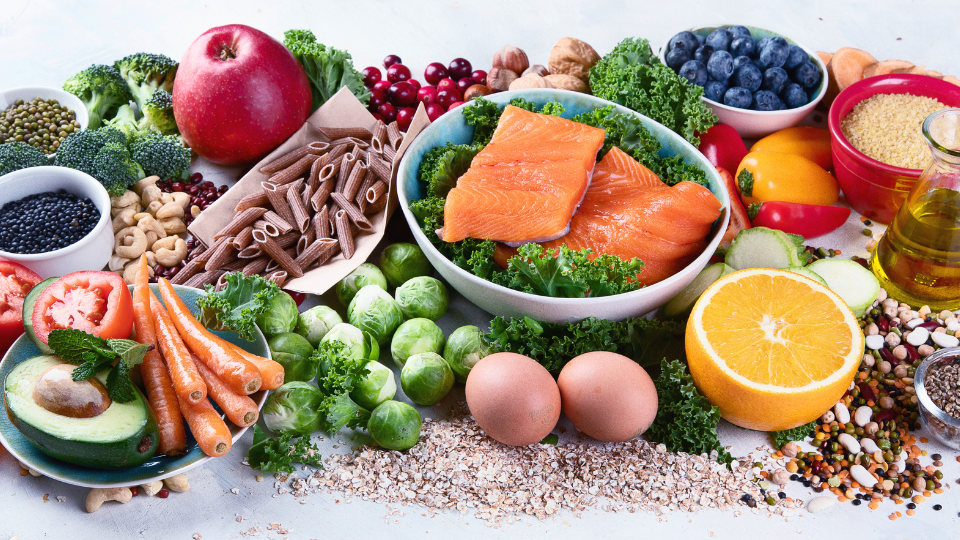
The best way to get vitamins and minerals is through a balanced diet. Fruits, vegetables, dairy products, nuts, seeds, and whole grains are rich sources of essential nutrients.
Including a variety of colorful foods in your daily meals ensures a wide range of nutrients. Natural sources are more effective and safer compared to relying only on supplements.
Risks of Deficiency and Overconsumption
A lack of vitamins and minerals can lead to various health issues such as fatigue, weak bones, poor immunity, and skin problems. For example, Vitamin D deficiency can cause bone disorders, while iron deficiency leads to anemia.
On the other hand, excessive intake—especially through supplements—can also be harmful. Overconsumption may cause toxicity and disrupt normal body functions, so it is important to maintain a balanced intake.
Conclusion
Vitamins and minerals are essential for maintaining good health and preventing diseases. A balanced diet is the best way to ensure your body gets all the necessary nutrients it needs.
By understanding their importance and choosing nutrient-rich foods, you can improve your overall health and lead a more energetic and active life.