
New
Krissai Management Consultancy Sdn Bhd
- Jalan Dataran Sentral 3
- 019-615 8453
Strategies, Reviews & Tools For Small Business
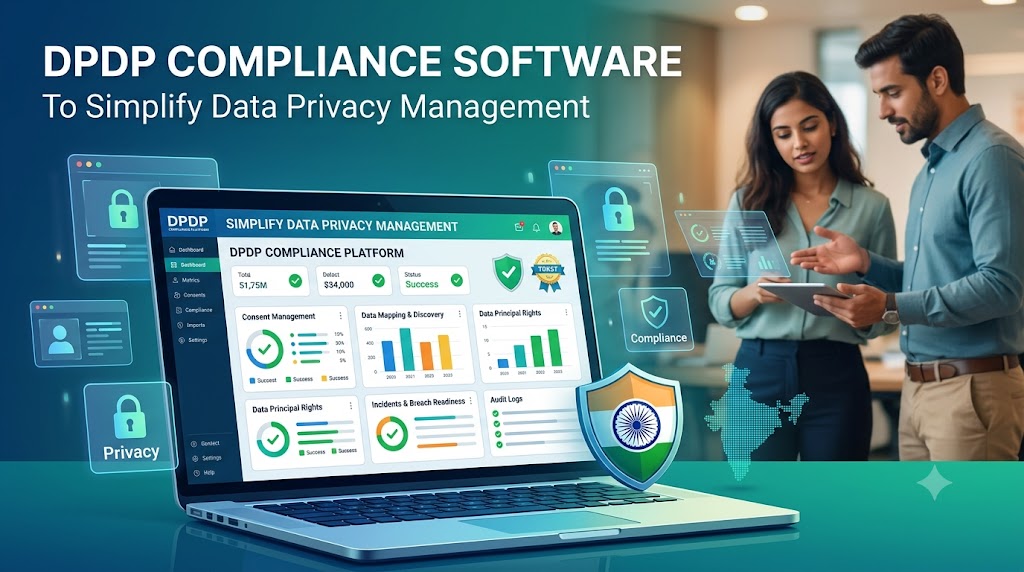
Protect personal data, streamline privacy workflows, and build trust with a structured approach to India’s Digital Personal Data Protection (DPDP) framework. Consiva AI helps businesses explore technology-driven approaches to consent management, data governance, and privacy operations.
Our DPDP compliance solution supports organizations looking to organize privacy processes, improve visibility into personal data handling, and establish more efficient compliance workflows.
DPDP compliance involves aligning an organization’s personal data processing practices with India’s Digital Personal Data Protection Act, 2023, and applicable rules and requirements. It includes understanding how personal data is collected, used, stored, and shared while establishing appropriate safeguards and processes for handling individual rights.
Businesses managing customer information across websites, applications, CRM systems, and third-party platforms may find manual privacy management challenging. A structured compliance approach helps teams document their activities, manage consent, and coordinate privacy responsibilities.
DPDP compliance software helps organizations manage privacy-related activities through centralized workflows and supporting tools. Instead of relying entirely on spreadsheets and disconnected systems, businesses can use technology to improve consistency and simplify routine tasks.
An effective software solution may support:
The features required will depend on the organization’s data processing activities, operational complexity, and applicable legal obligations.
Consiva AI supports organizations exploring technology-enabled privacy management to make data protection activities more organized and manageable. A suitable solution can help businesses establish repeatable processes while improving oversight of personal data.
Maintain visibility into consent records and user preferences across supported digital touchpoints. Structured consent workflows can help organizations document consent-related activities and manage changes to preferences.
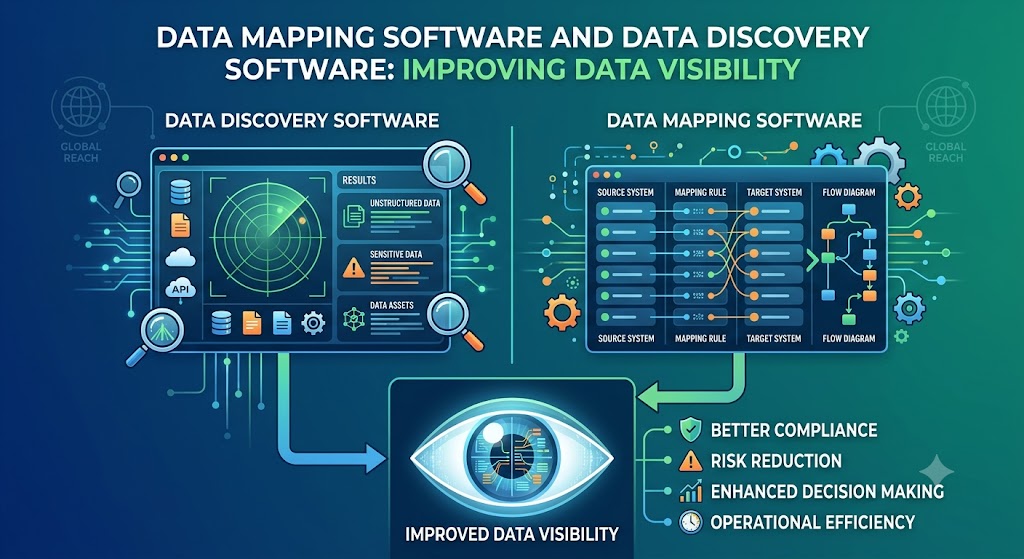
Identify where personal data is collected, processed, and stored across business systems. Data discovery and mapping capabilities can help teams understand data flows and document relevant processing activities.
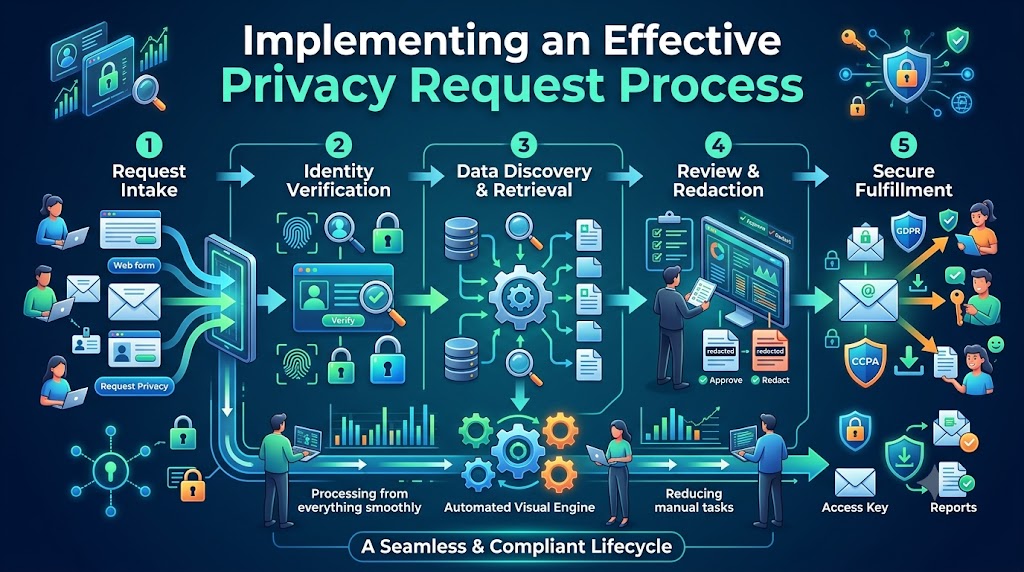
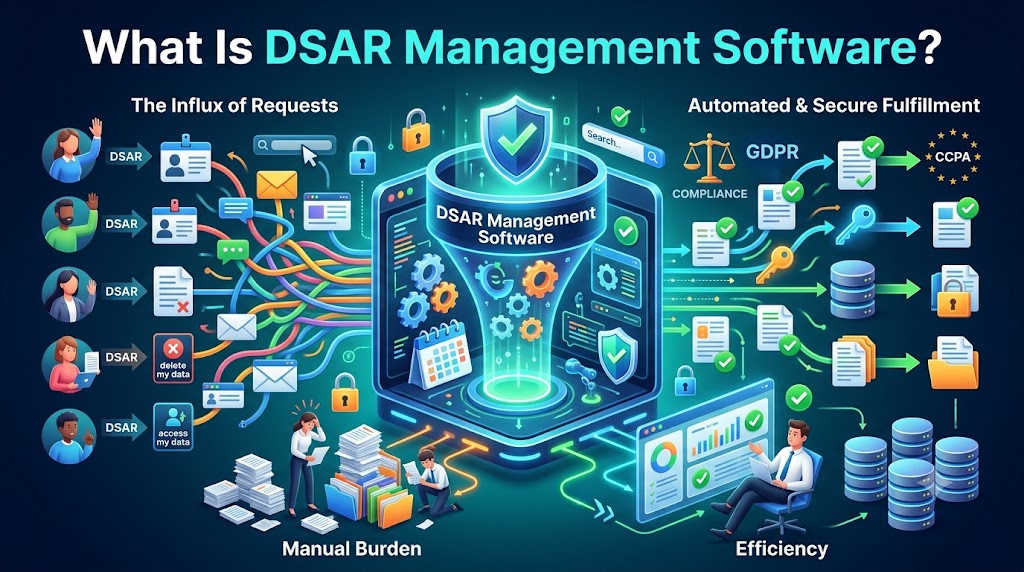
Establish workflows for receiving, verifying, assigning, and tracking requests from data principals. Centralized request management can help teams coordinate responses and maintain supporting records.
Document privacy risks, assign responsibilities, and track remediation activities. Regular reviews can help organizations identify gaps and strengthen internal privacy controls.
Organize compliance-related records and generate reports to support internal assessments, management reviews, and audit preparation. Accurate documentation can improve accountability across departments.
A centralized DPDP compliance platform can help businesses coordinate privacy operations across departments and systems. The right platform should align with existing workflows, security requirements, and business objectives.
Key advantages include:
Technology can support compliance activities, but organizations must also establish appropriate policies, security measures, employee training, and legal review.
Selecting a DPDP compliance tool requires evaluating more than its feature list. Businesses should consider integration capabilities, data security, access controls, reporting, scalability, and support for their specific privacy requirements.
Before implementation, assess existing data flows, identify process gaps, and define measurable objectives. Then evaluate whether the solution can address those requirements without introducing unnecessary complexity.
Consiva AI can be explored by organizations evaluating privacy management and data governance solutions for their compliance workflows.
Effective DPDP compliance requires a combination of suitable technology, documented procedures, and responsible data handling practices. By organizing consent management, personal data records, and individual rights workflows, businesses can improve operational visibility and strengthen their privacy management approach.
Explore Consiva AI to evaluate how privacy-focused technology can support your organization’s compliance objectives and evolving data protection needs.
DPDP compliance means aligning personal data processing practices with India’s DPDP Act, 2023, and applicable rules, including relevant obligations concerning consent, safeguards, and data principal rights.
It helps organizations manage privacy workflows such as consent tracking, data mapping, rights requests, documentation, and compliance reporting.
Organizations processing digital personal data in circumstances covered by India’s DPDP framework should assess their applicable obligations and implement appropriate processes and safeguards.
Useful features may include consent management, data discovery, rights request workflows, risk tracking, access controls, integrations, and reporting.
No. A tool can support compliance activities, but organizations must also implement appropriate policies, security measures, governance processes, and legal oversight.