
New
Nebulawellness
- 170 Queensway W, Suite 106, Mississauga, ON, Canada, Ontario
- 9056085033
Strategies, Reviews & Tools For Small Business
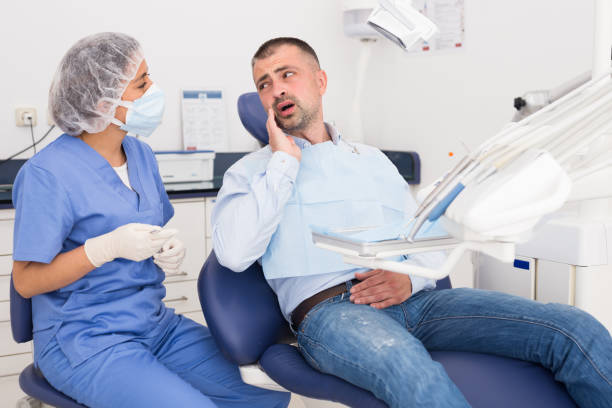
Dental emergencies can happen when you least expect them. A sudden toothache, a broken tooth, or an injury to your mouth can cause severe pain and make it difficult to eat, speak, or even sleep. Knowing where to get immediate treatment can make a big difference in protecting your oral health. If you are searching for an emergency dentist Brampton, acting quickly can help prevent further damage and relieve your discomfort. At Conestoga Dental Group, we understand that dental emergencies require prompt attention, and our experienced team is committed to providing fast and reliable care when you need it most.
A dental emergency is any oral health problem that requires immediate attention to relieve pain, stop bleeding, or save a tooth. While some dental issues can wait for a regular appointment, others need urgent treatment to prevent serious complications.
Common dental emergencies include severe toothaches, chipped or broken teeth, knocked out teeth, lost fillings or crowns, swollen gums, infections, and injuries to the mouth or jaw. If you are unsure whether your situation is an emergency, it is always best to contact a dental professional for guidance.
Dental emergencies can happen for many reasons. Accidents during sports, falls, or car collisions can damage teeth and gums. Biting down on hard foods such as ice or popcorn kernels may also crack or break a tooth.
Poor oral hygiene can lead to cavities and infections that become painful if left untreated. Gum disease may also cause swelling, bleeding, and discomfort that requires immediate care. In some cases, untreated dental problems gradually worsen until they become emergencies.
Regular dental checkups help reduce the risk of many emergency situations by identifying problems before they become serious.
Some dental problems should never be ignored. Severe or constant tooth pain is one of the most common reasons people seek emergency dental care. Pain may indicate an infection, deep cavity, or damage to the tooth that requires immediate treatment.
Swelling in the gums, face, or jaw is another warning sign. This may indicate a serious infection that could spread if not treated quickly.
Excessive bleeding after an injury or dental procedure should also be evaluated by a dentist. A knocked out tooth requires immediate attention because quick treatment improves the chances of saving the tooth.
If you have difficulty opening your mouth, experience severe jaw pain, or notice a broken tooth with sharp edges causing injury inside your mouth, you should seek professional dental care as soon as possible.
Knowing how to respond during a dental emergency can help protect your teeth and reduce discomfort.
If a tooth has been knocked out, hold it by the crown instead of the root. Gently rinse it with clean water without scrubbing it. If possible, place the tooth back into the socket or keep it in a container of milk while traveling to the dental office.
For a broken tooth, rinse your mouth with warm water and apply a cold compress to reduce swelling. Save any broken pieces if possible and bring them with you.
If you have a severe toothache, rinse your mouth with warm salt water to remove any trapped food particles. Avoid placing aspirin directly on your gums because it may irritate the tissue.
Taking these simple steps can improve the chances of successful treatment while helping manage pain until you receive professional care.
Delaying treatment during a dental emergency can lead to more serious problems. A small crack in a tooth may become larger, making the tooth harder to repair. An untreated infection may spread to surrounding tissues and affect your overall health.
Quick treatment often helps preserve natural teeth and reduces the need for more complex procedures later. It can also relieve pain sooner and lower the risk of permanent damage.
Seeking professional care as soon as possible gives your dentist the best opportunity to restore your oral health.
Every dental emergency is different, so treatment depends on the specific condition. Your dentist will begin by examining your mouth and, if necessary, taking digital X rays to identify the source of the problem.
A severe cavity may require a filling or root canal treatment. A cracked tooth may be repaired with dental bonding, a crown, or another restorative procedure. If a tooth cannot be saved, your dentist will discuss replacement options that restore your smile and chewing ability.
For infections, treatment may include draining the affected area and providing medication when appropriate. Every treatment plan is designed to relieve pain while protecting your long term oral health.
Although not every emergency can be avoided, good oral care habits can greatly reduce your risk.
Brush your teeth twice each day using fluoride toothpaste and floss daily to remove plaque between your teeth. Visit your dentist regularly for professional cleanings and examinations so small problems can be treated early.
Wear a mouthguard during sports or recreational activities that involve physical contact. Avoid chewing ice, hard candy, or other objects that may crack your teeth.
If you grind your teeth while sleeping, speak with your dentist about a custom night guard to help protect your teeth from excessive wear.
Healthy daily habits play an important role in preventing unexpected dental problems.
Emergency treatment solves immediate problems, but maintaining good oral health requires ongoing attention. Comprehensive dental care includes routine examinations, professional cleanings, preventive treatments, restorative procedures, and patient education that help keep your teeth and gums healthy throughout every stage of life.
By scheduling regular dental visits, your dentist can identify early signs of decay, gum disease, or other oral health concerns before they become painful emergencies. Preventive care not only supports a healthy smile but also reduces the likelihood of unexpected dental issues in the future.
Choosing the right dental office is important when you need urgent care. At Conestoga Dental Group, our experienced team understands that dental emergencies can be stressful and uncomfortable. We work hard to provide prompt attention, clear communication, and personalized treatment for every patient.
Our goal is to relieve your pain, restore your oral health, and help you feel comfortable throughout your visit. Whether you need immediate treatment for a dental injury or ongoing comprehensive dental care, we are committed to providing high quality services in a welcoming environment.
Dental emergencies can happen without warning, but knowing how to respond can help protect your smile and prevent further complications. Seeking care from an emergency dentist Brampton as soon as possible gives you the best chance of relieving pain, saving damaged teeth, and avoiding more extensive treatment later.
At Conestoga Dental Group, we are dedicated to providing fast, compassionate, and professional dental services for patients of all ages. From emergency treatment to comprehensive dental care, our team is here to help you maintain a healthy smile with personalized care you can trust. If you experience a dental emergency, do not wait. Prompt treatment can make all the difference in protecting your oral health and restoring your comfort.