New
Australia’s Trusted Platform for Finding Verified Local Tradies
- 1st Main st, sydney, NSW 2000
- 0488 822 795
Strategies, Reviews & Tools For Small Business
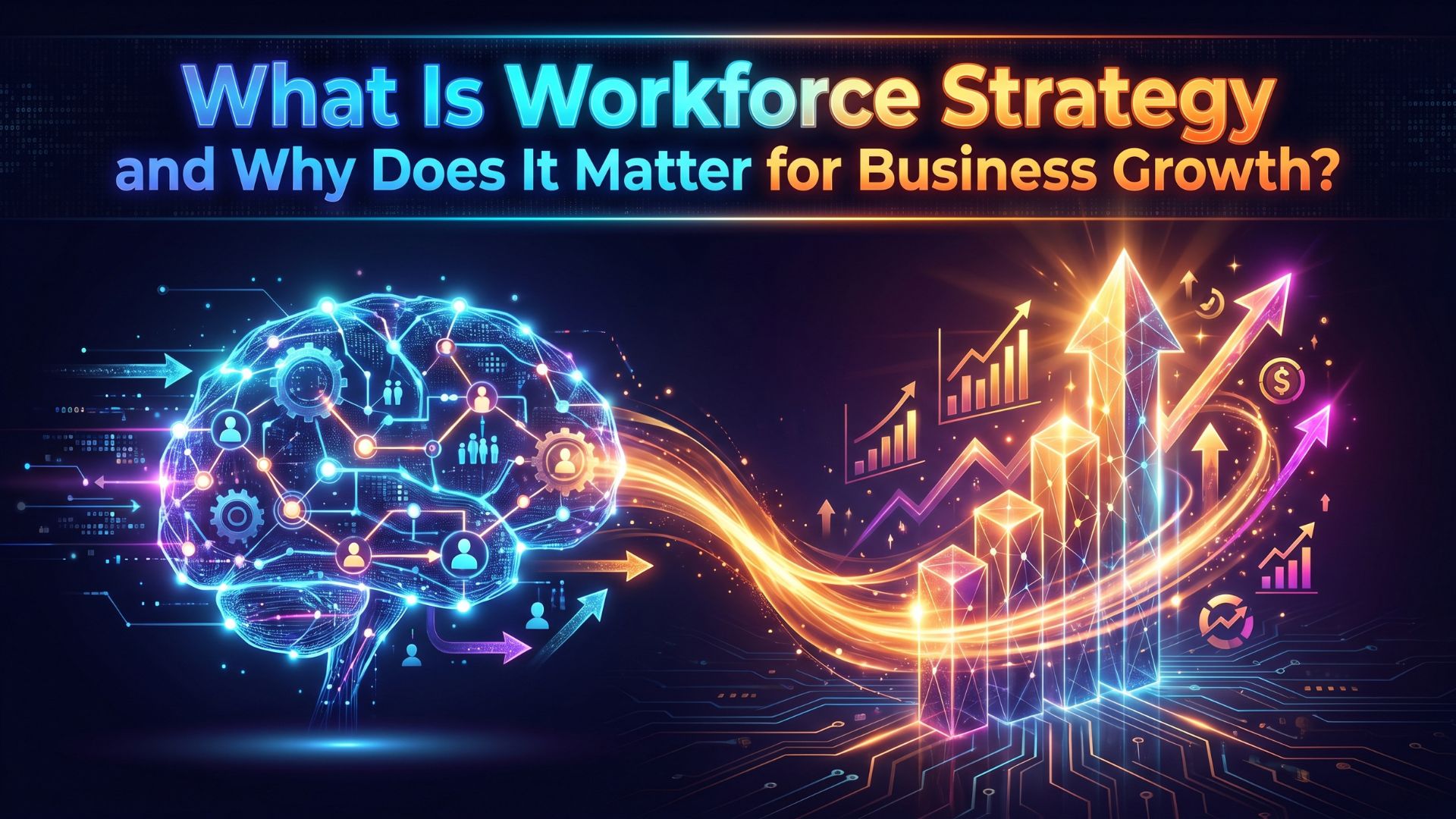

Sustainable business growth rarely happens by chance because successful organizations build clear plans that align people, goals, and resources. As markets become more competitive, companies must ensure they have the right talent available at the right time to meet changing demands. This need makes long-term workforce planning more important than ever. When businesses understand how their employees contribute to future objectives, they can make smarter decisions that support productivity, innovation, and expansion. As a result, organizations that proactively prepare their workforce are often better positioned to achieve consistent growth.
Every organization relies on its employees to turn ideas into results, which means business success depends heavily on how effectively talent is managed. Companies that clearly connect workforce decisions with organizational objectives create stronger foundations for future growth. This alignment helps leaders identify skill gaps, prepare for upcoming challenges, and allocate resources more efficiently. Through a well-defined workforce strategy, businesses can ensure that hiring, training, and development efforts directly support long-term goals. Consequently, employees become more engaged because their roles contribute to a broader vision that drives organizational success.
Business environments are constantly evolving due to technological advancements, shifting customer expectations, and changing economic conditions. Because these factors influence workforce requirements, organizations must anticipate future talent needs rather than simply react to immediate challenges. Forward-thinking companies analyze workforce trends to understand which skills will be essential in the years ahead. This preparation allows them to develop employees, recruit strategically, and reduce disruptions caused by talent shortages. By planning ahead, organizations gain greater flexibility and maintain operational stability even during periods of rapid change.

A strong workforce plan does more than fill positions because it creates an environment where employees can perform at their best. When organizations invest in professional development and career growth opportunities, employees gain the knowledge and confidence needed to contribute effectively. This increased capability often leads to higher productivity, improved collaboration, and better problem-solving across teams. As performance improves, businesses become more efficient and better equipped to meet customer expectations. Ultimately, supporting employee growth creates a positive cycle that benefits both individuals and the organization as a whole.
Growth opportunities often emerge unexpectedly, making adaptability a critical business advantage. Organizations that understand their workforce capabilities can respond more quickly to market changes, customer demands, and emerging trends. This responsiveness allows leaders to adjust priorities without sacrificing efficiency or quality. At the same time, a prepared workforce helps reduce risks associated with sudden transitions or operational shifts. Because adaptability is closely linked to resilience, businesses with strong workforce planning practices are better equipped to navigate uncertainty while continuing to pursue growth objectives.

Companies that invest in their people create advantages that competitors cannot easily replicate. Skilled employees, effective leadership, and a culture of continuous learning contribute to stronger organizational performance over time. These factors help businesses attract top talent, improve customer experiences, and maintain consistent growth. As industries continue evolving, organizations that prioritize workforce planning will be better positioned to capitalize on new opportunities and sustain success in changing environments.
Business growth depends on more than products, services, or technology because people remain the driving force behind every successful organization. Companies that proactively prepare for future talent requirements can improve productivity, strengthen adaptability, and support long-term objectives. A well-executed workforce strategy helps align employee capabilities with business goals, ensuring organizations are prepared to meet evolving market demands. By investing in workforce planning and development, businesses create a stronger foundation for sustainable growth, resilience, and lasting competitive advantage.
Q1. What is workforce planning in business?
Workforce planning is the process of aligning employee capabilities and talent needs with business objectives to support growth and performance.
Q2. Why is workforce planning important for business growth?
It helps organizations prepare for future talent requirements, improve productivity, and respond effectively to changing market conditions.
Q3. How does workforce planning benefit employees?
It supports professional development, career growth, and better alignment between individual contributions and organizational goals.