
New
K9 Resorts Luxury Pet Hotel Audubon
- 2550 Eisenhower Ave Suite C210, Audubon, PA 19403
- 610-595-9030
Strategies, Reviews & Tools For Small Business
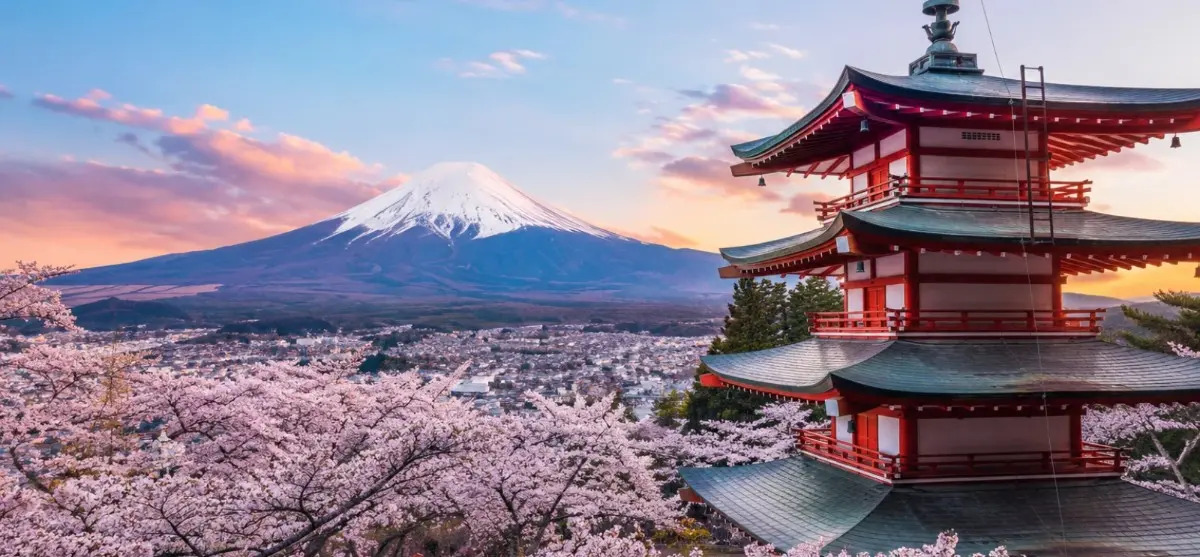
Japan is a fascinating destination, with its traditional neighbourhoods, beautiful scenery, food culture and efficient public transport.
For Muslim travellers, however, planning a Japan holiday involves a few additional considerations, particularly around food ingredients, prayer facilities and accommodation.
The good news is that Muslim-friendly facilities and dining options are available in several popular destinations. A little preparation can make the experience more comfortable.
Here are seven things worth considering before planning your itinerary.
1. Research halal food before choosing your sightseeing route
Tokyo, Osaka and Kyoto have Muslim-friendly and halal dining options, but availability varies by neighbourhood.
Don’t assume that every Japanese dish is halal simply because it contains seafood, vegetables or rice. Ingredients such as mirin, cooking sake, certain sauces, gelatin and animal-derived fats may need checking.
2. Understand the difference between halal-certified and Muslim-friendly
These descriptions are not necessarily interchangeable.
A halal-certified restaurant may have certification from a particular organisation, while a Muslim-friendly restaurant may offer selected dishes or accommodations without full halal certification.
Check the restaurant’s ingredients, preparation arrangements and certification details according to your own requirements.
3. Include prayer facilities in your daily route
Major airports, some shopping centres, tourist areas and hotels have prayer spaces. Mosques are also available in several Japanese cities.
It is useful to identify nearby facilities before planning a full day of sightseeing, rather than searching for a prayer space only after reaching an attraction.
4. Choose accommodation with practical facilities
Some hotels offer prayer mats, Qibla directions or information about nearby halal restaurants.
If these facilities are important, confirm them directly with the property before booking. Do not assume that every hotel advertising itself as Muslim-friendly provides the same services.
5. Allow enough time between destinations
For a first visit, Tokyo, Kyoto and Osaka can make a practical starting route. However, adding several extra regions may make it harder to coordinate dining and prayer arrangements.
A slightly slower itinerary can make the holiday more enjoyable.
6. Check restaurant opening hours and reservation requirements
Some halal restaurants have limited opening hours, require advance reservations or are located away from major sightseeing areas.
Save a few dining alternatives near your hotel and planned attractions.
7. Keep reliable food and prayer resources available offline
Save restaurant details, mosque locations, hotel confirmations and useful maps before travelling. Mobile connectivity and access to information can be less convenient when moving between regions.
A possible first-time route
For a 7–10 day holiday, a traveller might consider:
The number of days in each city should depend on flight timings, sightseeing interests and the availability of suitable dining and prayer facilities.
Japan does not have one central halal accreditation authority, so it is important to check individual restaurants and services rather than relying on a general Muslim-friendly label.
For Muslim travellers who have visited Japan, which city did you find easiest for halal food and prayer arrangements: Tokyo, Kyoto or Osaka? And what would you recommend to someone planning their first visit?